Coastal/Marine Structures
Caisson Seawalls
(quay-type structures)
Caissons are large concrete boxes that are submerged and connected in a line or arc on the seabed, forming a wall to hold back seawater from land, or to hold back waves from a harbor.
Caissons are manufactured as large hollow boxes, with concrete walls that are thin compared to the size of each caisson. The caissons are filled with sand or other fill after submerging, requiring much less energy and resources to construct deeper seawalls than other types of construction.
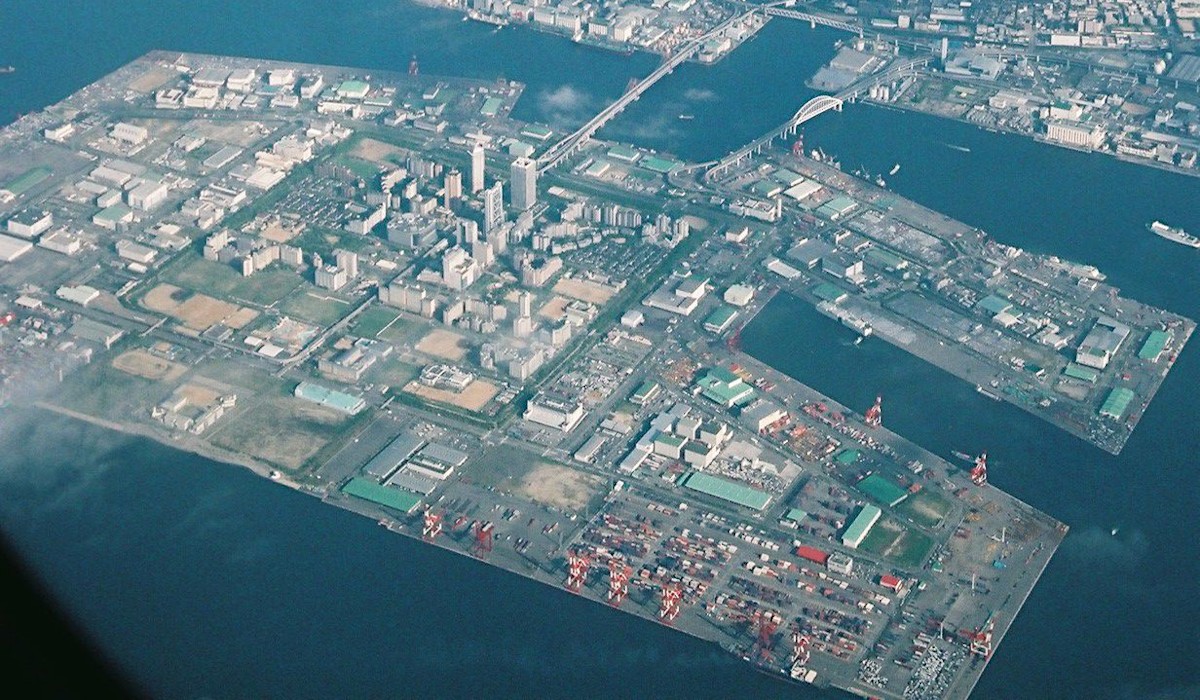
Caissons are the most efficient way to construct quays (docks) in shipping ports. The high efficiency of caisson construction is being adopted to build other kinds of seawalls, including retaining walls for new land, and offshore breakwaters.
Caisson Seawalls
Page 2 :
Page 3 :
Page 4 :
Page 5 :
Page 6 :
Page 7 :
Page 8 :
Page 9 :
Page 10 :
Page 11 :
Quays
Quay Construction
Singapore
Tema, Ghana
Le Portier, Monaco
Colombo, Sri Lanka
Hitachinaka, Japan
Slip Form
Seawater Construct
Breakwater
Return to: AEC