Preventing Ship Allisions of Bridges
Bridge Pier Protections
Place Piers on Land
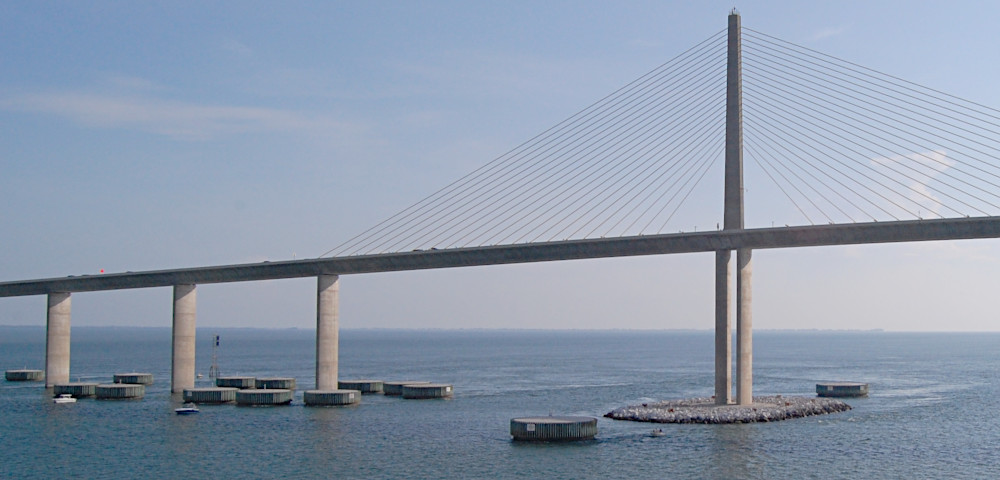
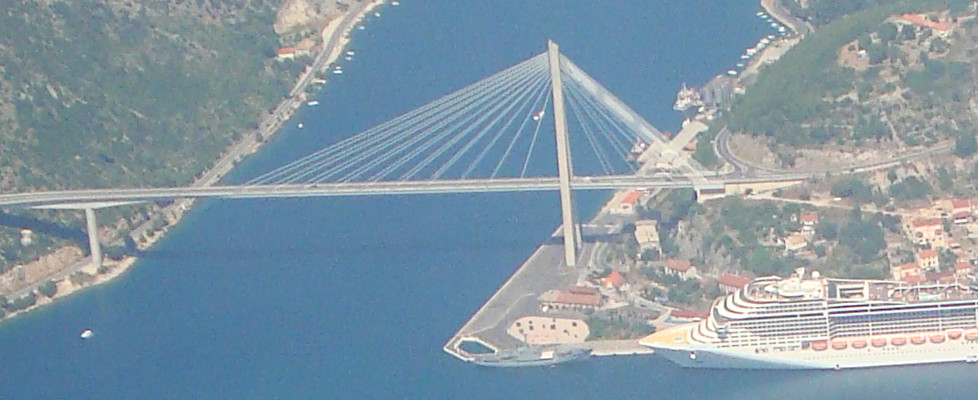
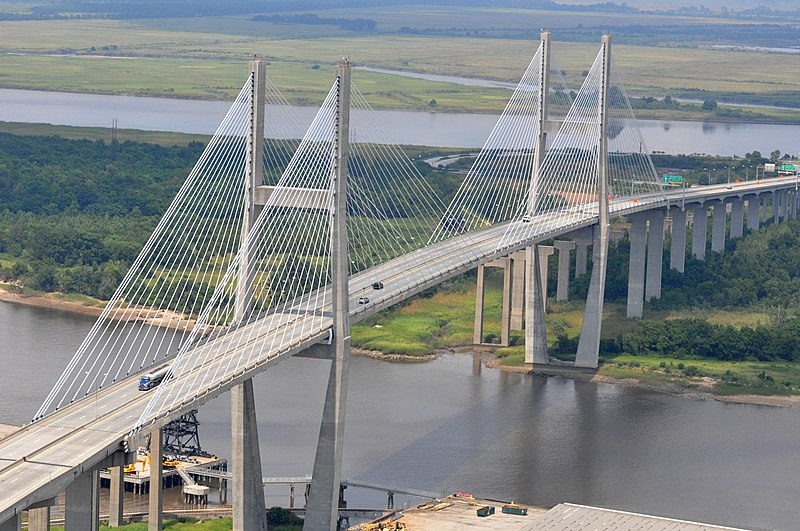
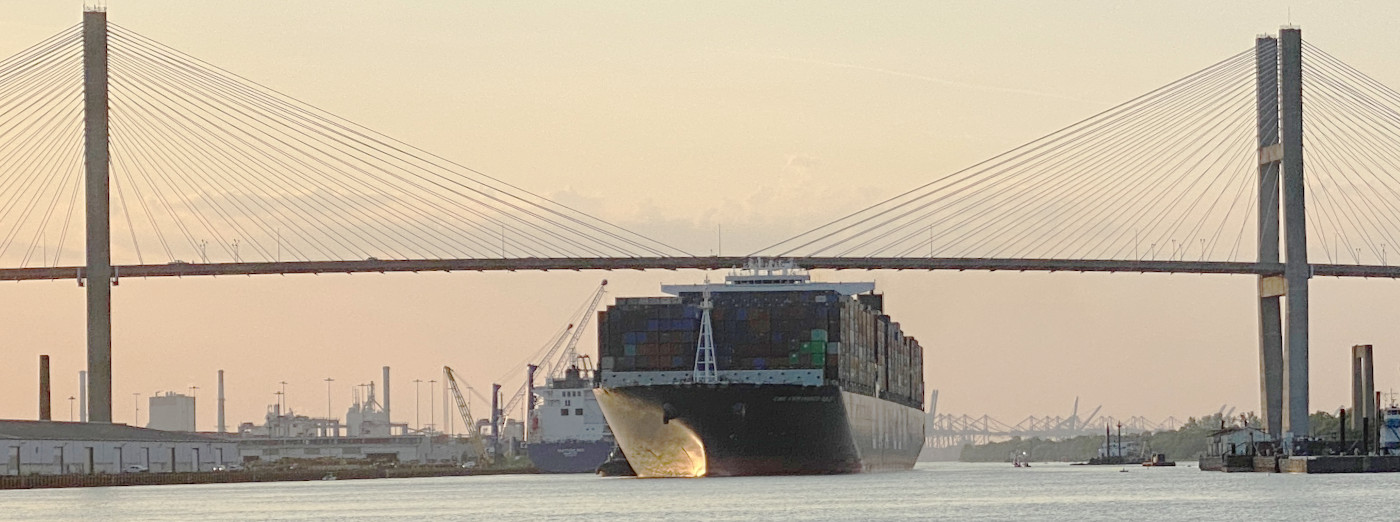
Bridge piers are the posts that hold up bridges. The first line of defense is to position bridge piers on land or in shallow water, if possible, to avoid having ships be able to reach the bridge piers.
Artificial Islands
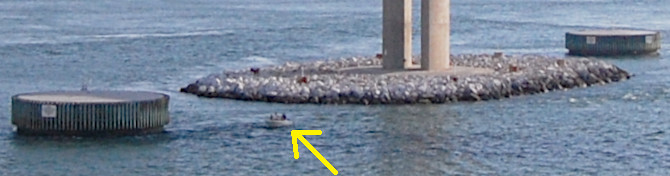
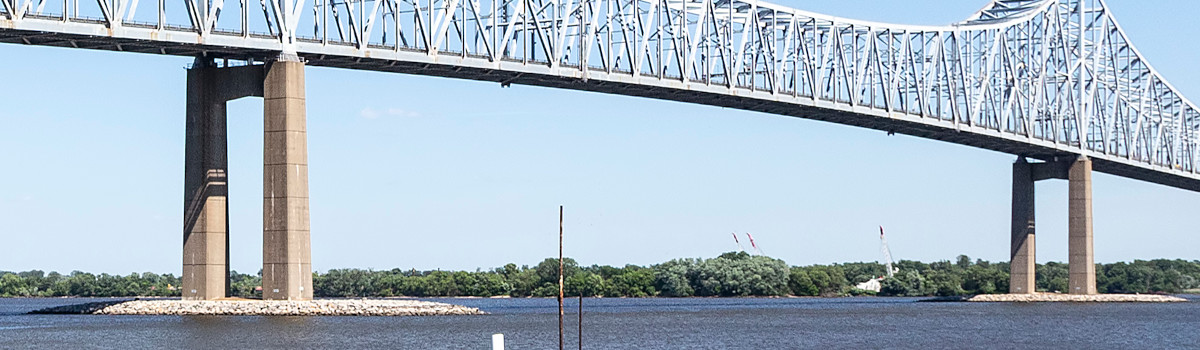
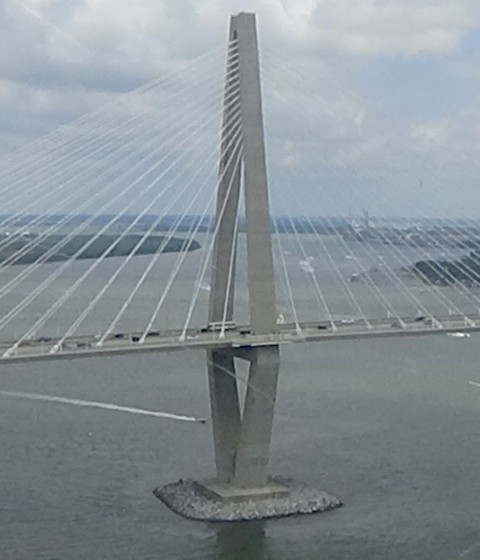
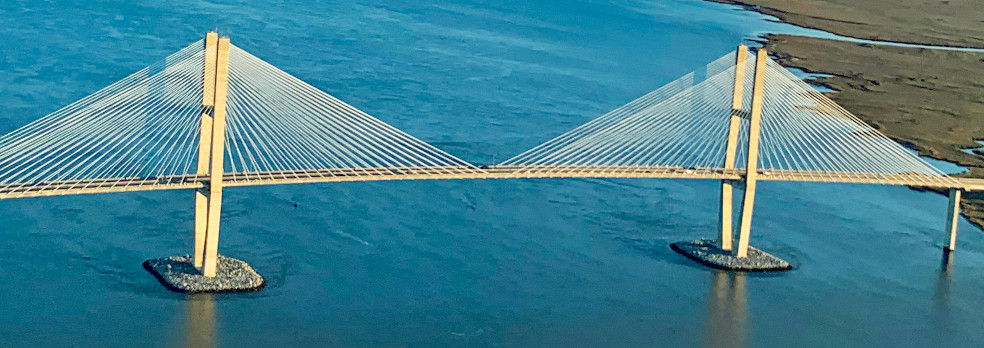
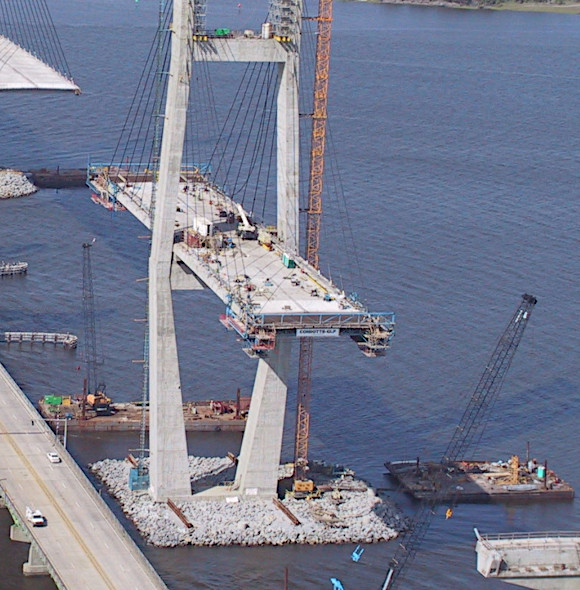
If bridge piers are built in water that a large ship could reach, instead of built on land or shallow water, an artificial island can be built around each pier that is in or near the ship channel.
An artificial island protecting a bridge pier needs to be big enough for a ship to run aground on the artificial island before reaching the pier. If the artificial island is too small, the bow overhang of a ship could strike the piers high above the water level before the ship runs aground on the artificial island below.
Apron
If an artificial island has a seawall along its perimeter, the seawall is called an apron.
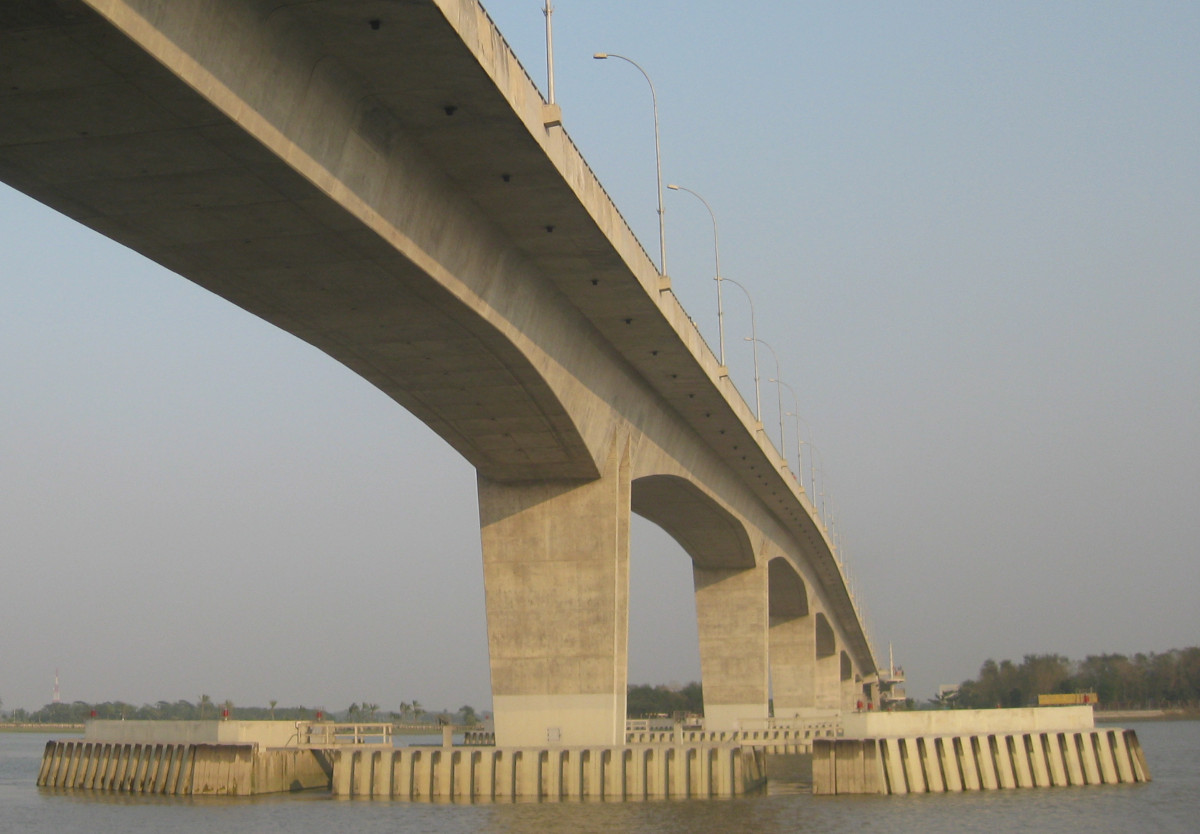
Aprons must be far enough away from the bridge piers to block a ship before the ship’s bow overhang could reach a pier. Aprons that are close to a pier are called fenders and are not able to prevent bow allision.
Faux Pier Islands (Dolphins)
Additional protection is achieved by constructing artificial islands separate from and next to bridge piers. These islands, that are separate from the bridge, are called low pier islands, faux pier islands, or dolphins.
These protection islands are essentially low piers that do not hold up anything but can take a ship strike, blocking ships from reaching the actual bridge piers.
Compared to the height of bridge piers, the faux piers do not extend vertically high above the water. The lower height reduces leverage that could break the faux piers.
The faux piers are called dolphins because they may be in the water along a ship’s bow wake — like dolphins swimming along the bow wake of a ship in the ocean.
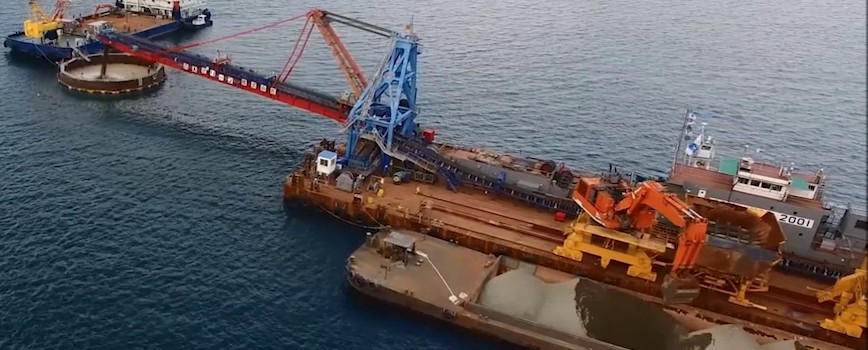
These dolphins (faux piers) can be filled with concrete, sand, or other fill.